
Taking a Break Never Killed Anybody
- Marley Whittle

- Apr 8, 2020
- 3 min read
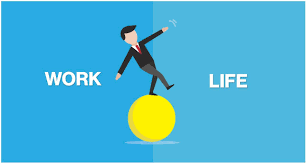
Talking about breaks and four-day weeks seems trivial due to the havoc COVID-19 has wreaked on the world’s typical work schedule. Most individuals in Europe and the United States are working remotely from home due to quarantine and social distancing measures. Since arriving back in the United States and applying for summer internships, I have reflected on the cultural differences I experienced in my Belgian workplace. Most offices could benefit from having a more flexible work schedule for their employees including if that means more breaks and 4-day weeks.
There are a number of reasons why America has the strongest economy in the world – and one of them is hard work. Americans are notorious for clocking up long working days and taking little time off, even short breaks throughout the day. Before coming to Brussels, I had worked in retail and on a political campaign, both fast-paced occupations that leave little time for rest. However, I found that the workplace is much more relaxed in Europe. It is more common to leave early if you have finished your project and even take a two-hour lunch (which includes having a beer). Now, I am in no way saying that Europeans are lazy or do not work as hard as Americans, they just approach their jobs differently than I was socialized to understand. In my head the American work ethic started to blend with Hannah Arendt’s idea about labor, a never-ending cycle of doing a job to fulfill one’s biological needs, rather than people actually enjoying their jobs.
My personal experiences with these workplace cultural differences can be summed up in one interaction. During my first weeks working in the European Parliament, I would eat lunch at my desk in order to finish a briefing or project on time while others in the office left for about an hour for lunch. I stayed at my desk, like four out of five Americans do, because I wanted to show my bosses and the rest of the office that I was grateful to be a part of their team. However, one day I was sitting alone in the office eating pasta and researching the EU Green Deal initiative when my boss came through the doorway. He was startled to see I was sitting at my desk around 12:30, well after everyone had taken off for lunch.
After asking me what I was doing and when was the last time I took a break, he told me that I needed to get out of the office for at least 30 minutes. He said, “I do not care where you go but you need to let your mind refresh before you get burned out. I cannot have you tired after your second week.”
Part of the Brussels experience is being introduced to new cultures and ideas that counter the student’s Americanize way of thinking. I was definitely taken aback by having my superior tell me to take a break when all I knew from previous experiences was to work hard all day until the day is over. Many Europeans find the American work ethic unproductive and leads to less creativity. Like I have mentioned before, I am an extrovert who is motivated by social interaction with others. I found it refreshing to take a coffee break when I felt the need, or even just get up and walk around to think away from my desk. What was most assuring was that, even as an intern, I still had some control over my schedule.
A third of workers globally (and 40% in the U.S.) would prefer a four-day week, according to a survey last year by the Workforce Institute at Kronos. It should be more common for people to take 4-day weeks and more frequent breaks because it enhances the understanding, boost productivity and creates a more comfortable, stress-free work environment. The freedom to take more breaks and even leave early if needed actually resulted in me staying later and completing more work in a timely manner because I was not burned out. I learned to adapt to the European culture I was briefly a part of, making me more aware of how adopting other cultural outlooks on work can help me become a better employee.


Comments